アメリカに来てからも咳がとまらない。風邪などの感染症(infectious desease)ではなく、アレルギー性(allergic)のものだと思われ、原因としては、花粉とダストが考えられる。
アメリカで花粉症の原因とみなされている樹木の代表はカシのようだ。特に今年の4月はアメリカ南東部でここ何年かで一番花粉の飛散量が多かったらしいが、北東部でもそうなのかはわからない。ボストンの街は緑が多い。街路樹も次から次へと花が咲いている。しかし、5月に私がアメリカに来たときにはすでにカシの花期はすぎていた。最近咲いているものには風媒花は見あたらない。キク科やイネ科の雑草もそんなに見かけないので、私の咳は花粉が原因ではないような気がする。花粉症の原因(容疑者=culprit)となる種については下の引用文参照。
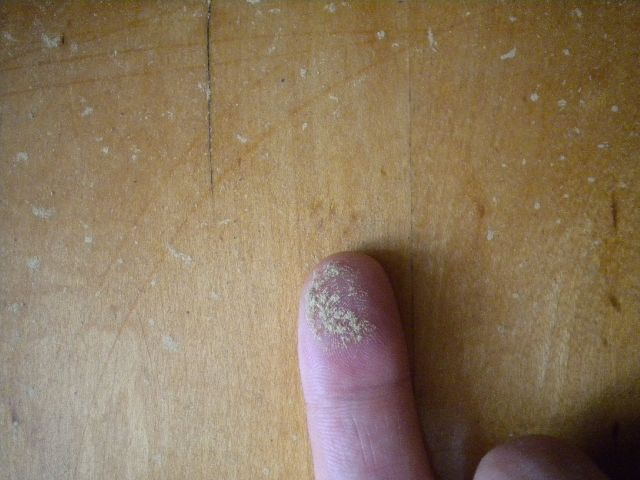
もう一つの候補のダストとは、土壌由来のもの。強い風をともなう夕立の雷雨(thunderstorm)の後、開けてあった窓辺の机をみると黄色い微粒子がまだらについていた。アメリカでも大恐慌の起きた1930年代にDust Bowlという時代があり、グレートプレーンズの土が舞い上がってニューイングランド地方まで到達し、赤い雪が降ったらしい。しかし、ネットで調べてみると最近は中国の黄砂(yellow dust, Asian dust)が太平洋を越え、さらにアメリカ大陸を横断して、アメリカ東部に達しているらしい。黄砂は日本でもアメリカでもアレルギーの原因物質として疑われているようなので、こちらが原因である可能性が高い。なお、花粉もyellow dustと形容されることがあり、紛らわしい。
-----------
Among North American plants, weeds are the most prolific producers of allergenic pollen. Ragweed is the major culprit, but others of importance are sagebrush, redroot pigweed, lamb's quarters, Russian thistle (tumbleweed), and English plantain.
Grasses and trees, too, are important sources of allergenic pollens. Although there are more than 1,000 species of grass in North America, only a few produce highly allergenic pollen. These include timothy grass, Kentucky bluegrass, Johnson grass, Bermuda grass, redtop grass, orchard grass, and sweet vernal grass. Trees that produce allergenic pollen include oak, ash, elm, hickory, pecan, box elder, and mountain cedar.
ラベル:アレルギー


